How to Pay Off Holiday Debt Fast: A Step-by-Step Guide

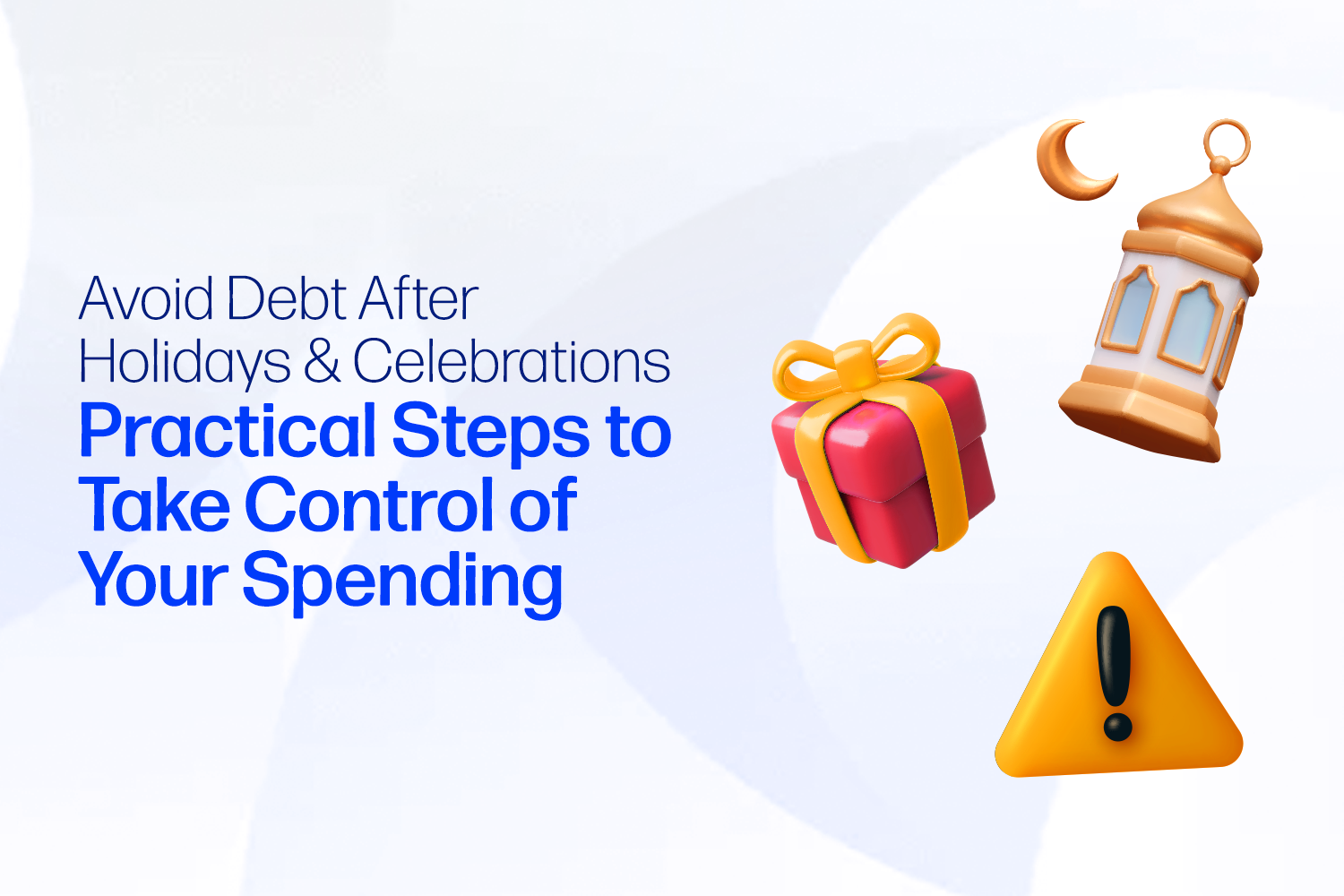
"Avoid Debt After Holidays & Celebrations, Practical Steps to Take Control of Your Spending” alongside 3D icons of a gift box, Ramadan lantern, and warning sign

The first day after a holiday or vacation always feels calm. The outings are over. Family gatherings have ended. Everyone is heading back to work. But something else starts showing up: Bank notifications, Credit card payment reminders, Installment due dates, and a lower balance than expected.

This is when search trends spike for terms like:

  • How to pay off debt fast.
  • How to pay off credit card debt.
  • Managing expenses after the holidays.
  • Debt repayment plan.
  • Financial planning after vacation

The problem isn’t celebrating. The problem is spending without a post-holiday financial plan.

Holidays and vacation seasons naturally bring extra expenses: gifts, travel, new clothes, dining out, school preparations. And most people rely on credit cards or short-term borrowing “until things settle.”

But when the season ends, the payments remain. If post-holiday financial stress feels like a yearly pattern, it’s not bad luck. It’s a planning issue.

In this guide, you’ll find a practical debt repayment strategy, smart money management steps, and most importantly, how to prevent this cycle next year.


Before You Start… Pause and Assess

Before rushing to make payments or reshuffle priorities, stop.

Every post-holiday debt problem usually comes from two core causes:

  • Spending beyond your original budget.
  • No clear repayment strategy

The solution isn’t to panic or pressure yourself harder. The solution is structured financial management. Let’s go step by step:


Step 1: Understand Your Current Financial Situation Clearly

The first rule of debt management is facing numbers. List:

  • Total credit card debt.
  • Any short-term loans.
  • Borrowed money from friends or family.
  • Fixed monthly installments

Then ask yourself: Which debt has the highest interest rate? Which payment is due first? Does your current income cover all obligations?

Many people avoid looking at the full picture. But organizing expenses after the holidays starts with clarity.

Write down every financial obligation today so you can build a structured debt repayment plan.


Step 2: Manage Credit Cards Smartly

Credit cards are powerful financial tools, but misused; they accumulate interest quickly.

If you’re searching for how to pay off credit card debt faster, follow these principles:

  • Pay more than the minimum amount due.
  • Prioritize the card with the highest interest rate.
  • Stop new spending until the balance decreases.
  • Negotiate a flexible repayment plan with your bank if available

The biggest mistake? Paying only the minimum. That allows interest to keep growing.

If your goal is faster credit card payoff, always start with the highest interest rate.


Step 3: Handle Short-Term Loans or Borrowed Money

Whether it’s a personal loan or money borrowed from your family, you need a clear repayment timeline:

  • Set a realistic repayment schedule.
  • Communicate transparently if you need an extension.
  • Avoid taking a new loan to repay an old one

The debt cycle begins when you replace one obligation with another. The smarter approach is building a repayment plan based on your existing income, even if it takes longer.

A 3D wallet with money around it with "take control of your spending and avoid debt with money fellows" text beside it

Step 4: Prepare for Unexpected Post-Holiday Expenses

After vacations, unexpected costs often appear: Home repairs, medical bills, and school commitments. To avoid falling back into debt:

  • Allocate a fixed monthly emergency fund.
  • Reduce non-essential expenses temporarily.
  • Avoid high-interest quick financing solutions

Even a small emergency fund reduces your reliance on credit cards or loans.


Long-Term Strategies to Prevent Debt Recurrence

Paying off debt is important. Preventing it is smarter. Follow these steps:
 

1. Plan for Seasonal Expenses Before They Start

Holidays, school seasons, summer travel, and these are predictable expenses. If you prepare in advance, you won’t need to borrow.

2. Set a Clear Budget for Occasions

Define a spending limit for holidays and vacations. Celebrating isn’t the problem, exceeding your budget is.

3. Use Smart Saving Tools to Avoid Future Debt

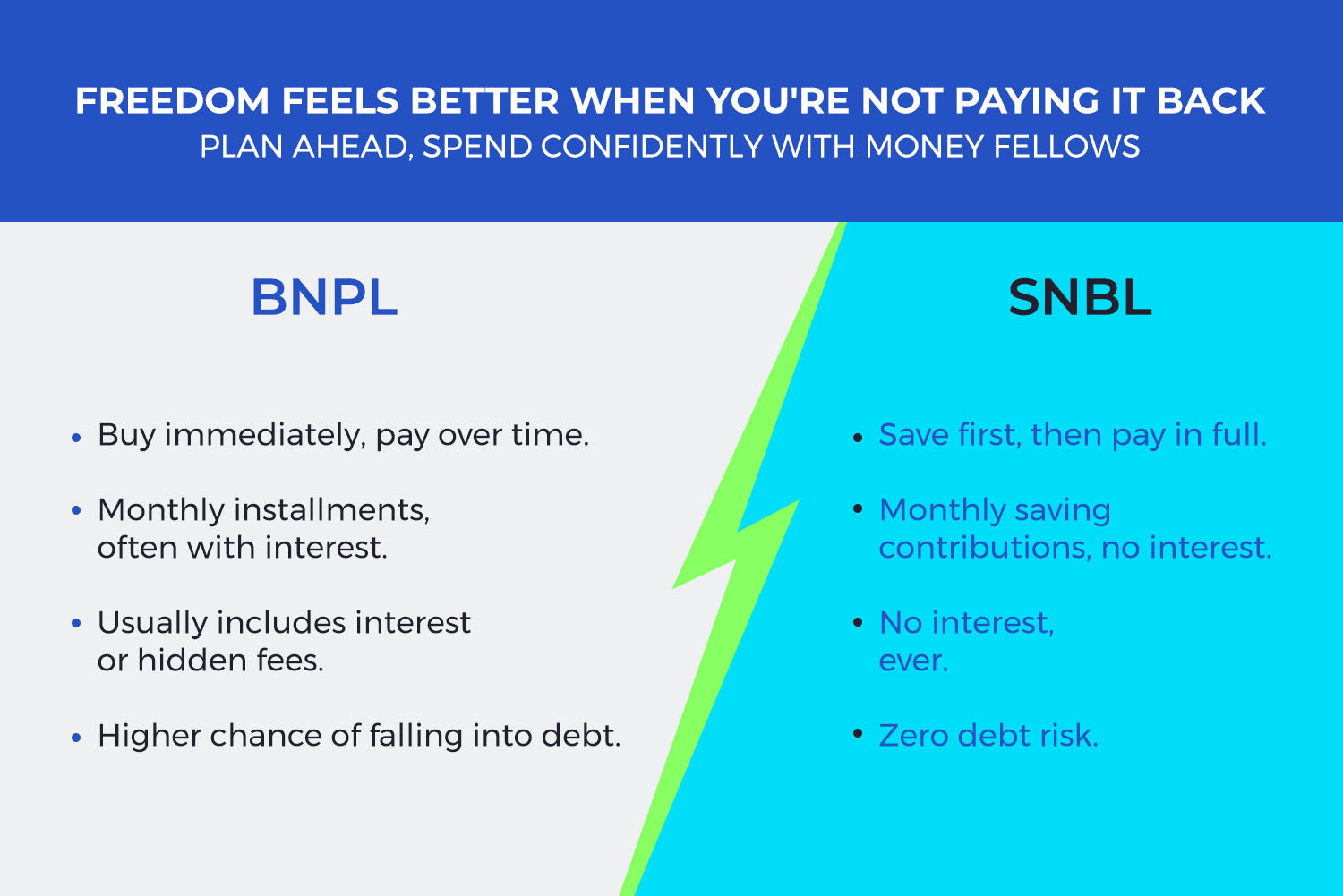
One of the most effective ways to avoid debt in Egypt is saving a lump sum before peak seasons. Online money circles (ROSCA) have become a practical alternative to installment plans and credit card debt.

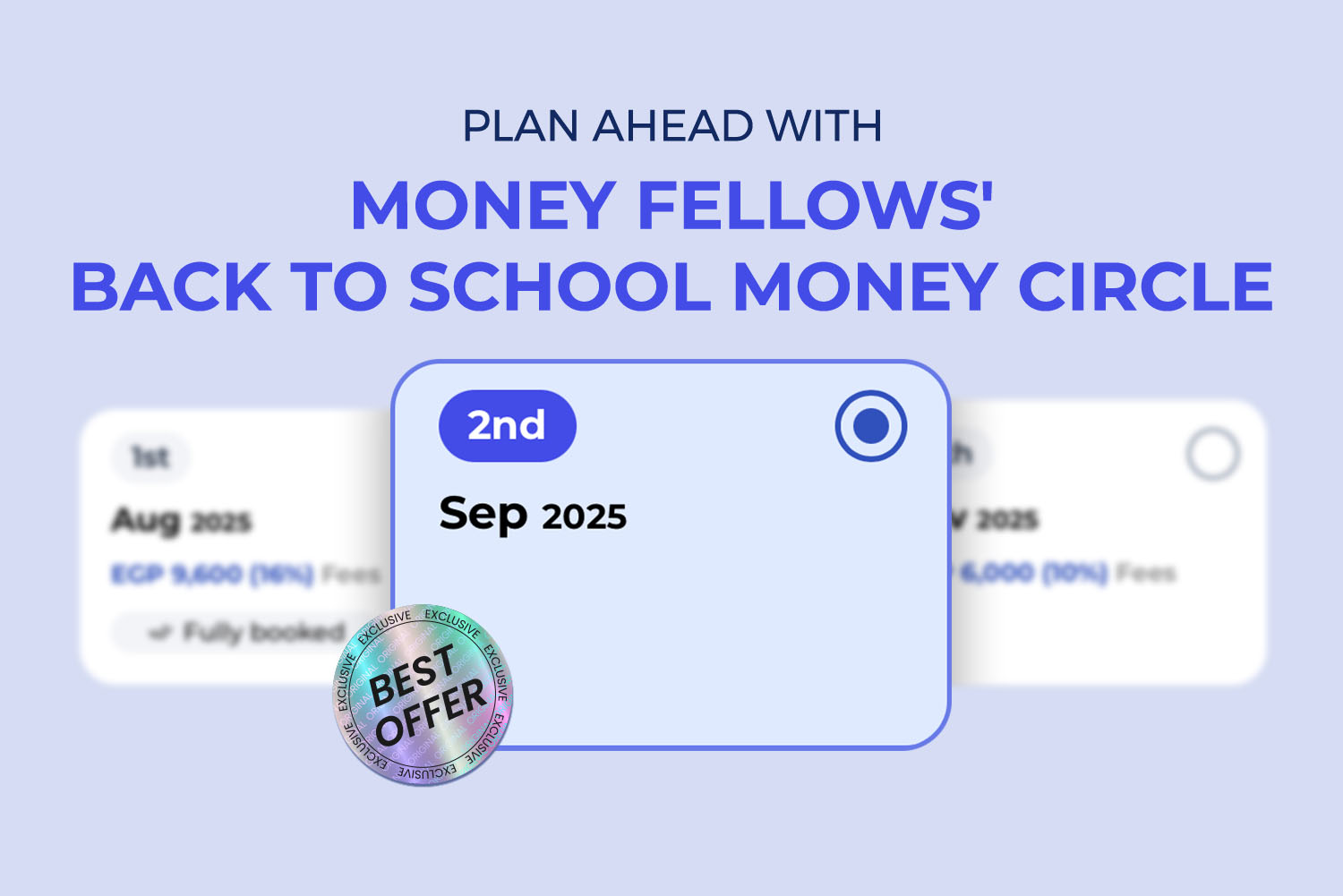
If you’re looking for: An alternative to high-interest installments, interest-free group savings, and a structured way to receive a lump sum payout, Money Fellows offers a secure digital money circles (ROSCA) model designed for financial planning.

Here’s how it works:

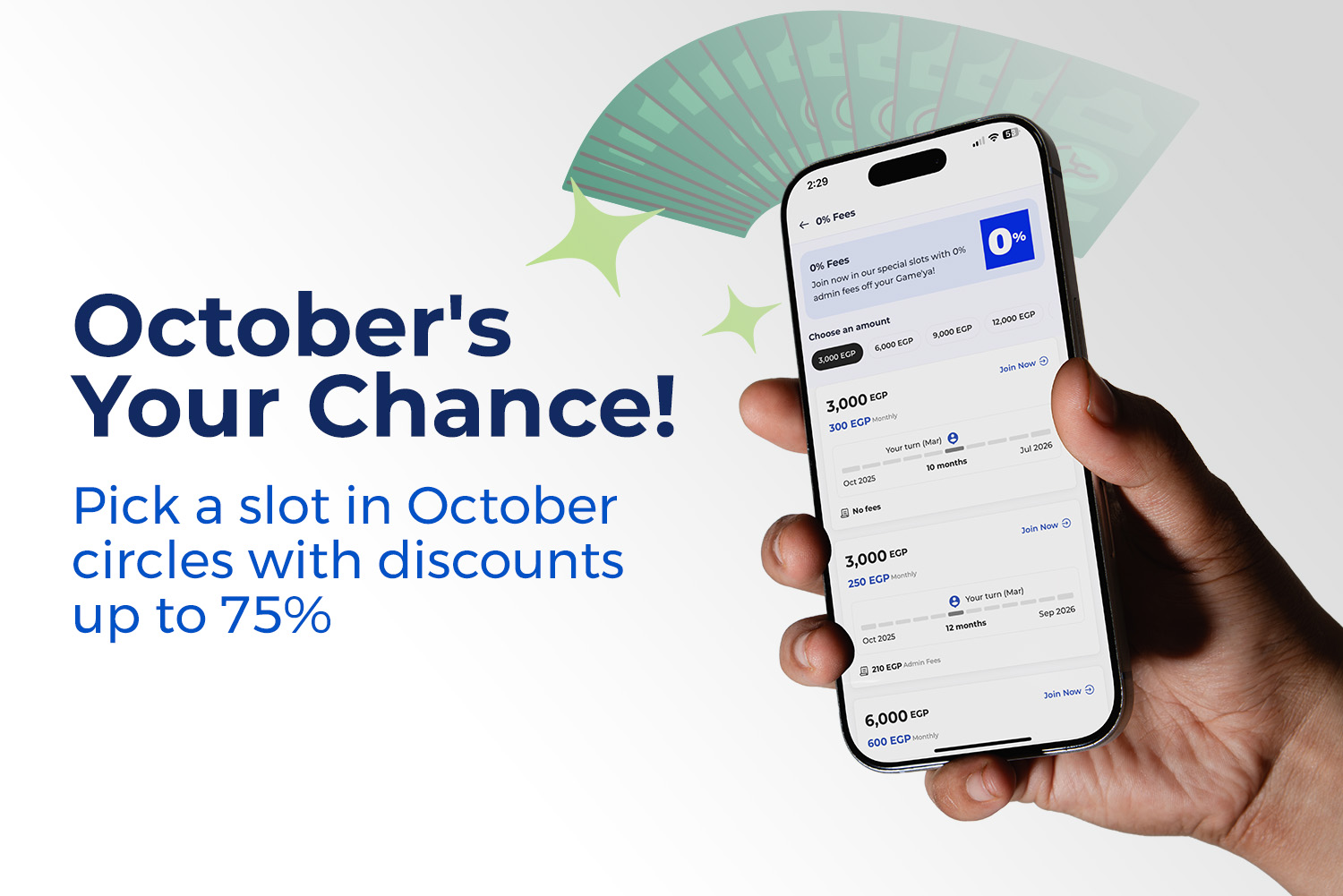
  • Choose a savings circle amount that fits your income.
  • Select a duration (6, 10, or 12 months).
  • Choose your payout month before the season you need funds.
  • Pay fixed monthly installments.
  • Receive your full payout in your turn

The key difference? You plan before the crisis, not after.
Instead of using credit cards for holiday shopping, borrowing for travel, and taking loans for school expenses. You prepare your funds in advance.

Why does this prevent debt?

  • No traditional interest charges.
  • It’s not a loan.
  • It’s structured saving.
  • You receive a lump sum at a defined time

This shifts your financial behavior from reactive to proactive. If every season leaves behind debt, the solution isn’t more pressure. The solution is earlier planning.

Download the Money Fellows app and start a money circle (ROSCA) today so your next season passes without debt.


Frequently Asked Questions About Paying Off Debt


1- How can I get out of debt quickly after the holidays?

Prioritize high-interest debt first, pay more than the minimum on credit cards, and avoid taking on new debt.

2- How can I use a money circle (ROSCA) to cover future seasonal expenses?

Select your payout month before the holiday or event when you need the money.

3- What should I do if I can’t repay my credit card?

Contact your bank to explore restructuring options and create a gradual repayment plan.


Post-holiday debt isn’t the end of the world. Ignoring it is. Debt management, structured budgeting, and early financial planning are what separate a passing season from a long-term financial burden.

Start with one clear step today. Plan early. Save smart. Don’t let your next holiday begin with new debt.

Download the Money Fellows app and build a financial plan that prevents the same cycle from repeating.


You Might Also Like