During Ramadan, we don’t just fast from food, sometimes we fast from thinking before spending. Many financial decisions become emotional: “Buy extra for the iftar gathering.” “Let’s try the premium brand.” “It’s only once a year, we deserve it.”
But the truth is, Ramadan is not just a month of increased spending; it’s a month of intensive consumption without proper financial planning.
Ironically, many families buy more food than they eat, throw away part of it, and still feel like their money disappears too quickly. That’s why budgeting during Ramadan doesn’t mean limiting generosity or cutting back on gatherings. It means spending consciously instead of emotionally.
If you want this Ramadan to pass without financial stress, and without post-Ramadan regret, let’s walk through a simple, practical Ramadan budgeting plan step by step.
Understand Where Your Ramadan Money Goes
The first step in managing Ramadan expenses is identifying where your money goes.
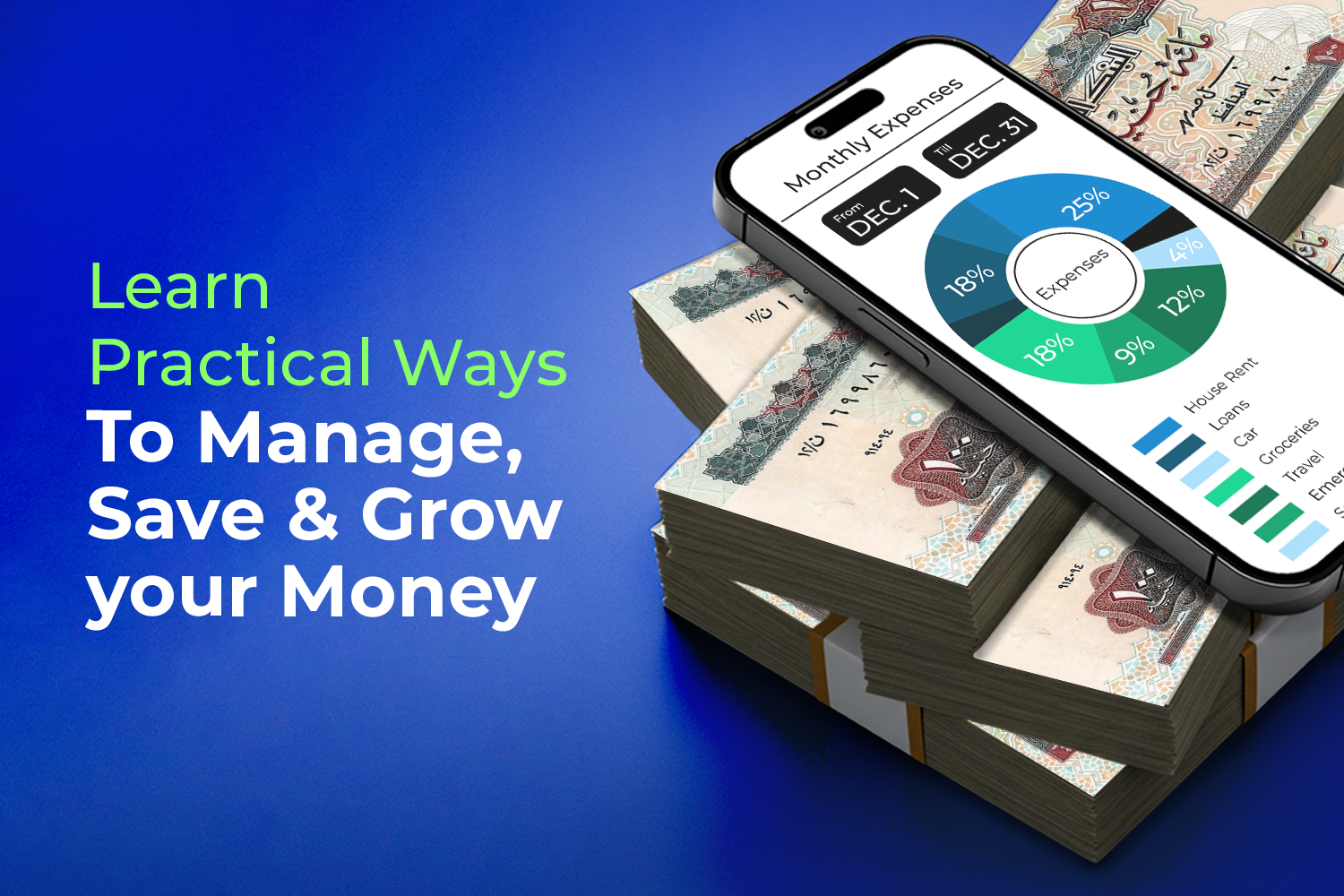
Common Ramadan spending categories include: Supermarket and grocery shopping, dates, nuts, desserts, and Ramadan sweets, juices and beverages, iftar invitations and outings, and electricity, water, and gas bills.
Track every expense for one week. You’ll quickly notice that small daily purchases add up to a significant amount by the end of the month.
Before Ramadan begins, create a simple estimated Ramadan budget so you know approximately how much you’ll need and where your money will be allocated.
Set a Clear Ramadan Budget
One of the most important rules of monthly budget planning during Ramadan is setting a fixed spending limit:
- Calculate your total monthly income.
- Allocate a specific amount for Ramadan expenses.
- Break that amount into weekly budgets for better control.
- Set aside an emergency buffer.
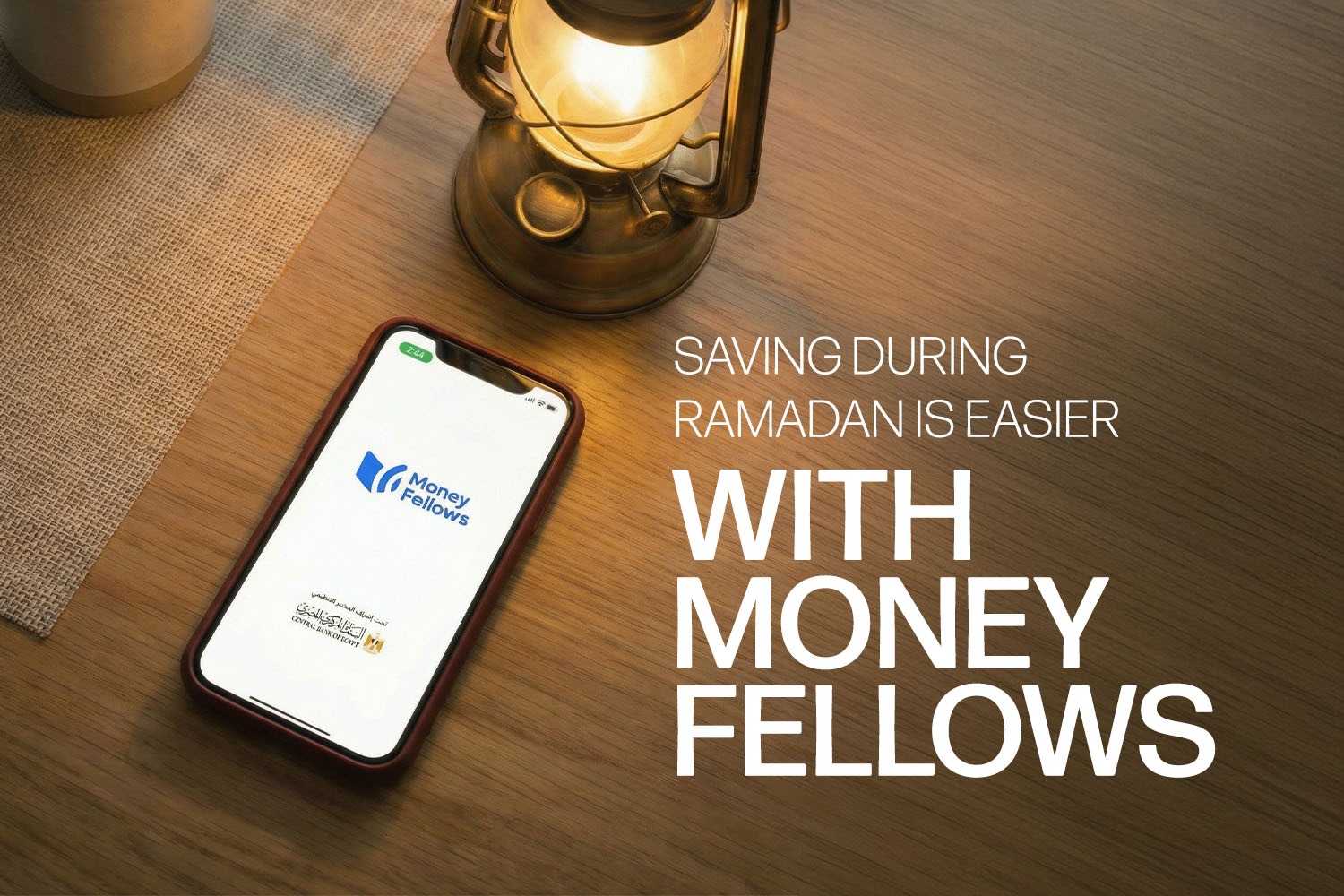
The goal is simple: control your money before it controls you. If you have a financial goal after Ramadan, such as traveling, buying gold, or preparing for Eid expenses, you can start saving now through Money Fellows savings circles.
Download the Money Fellows app and start today.
How to Actually Stick to Your Ramadan Budget
Many people create a budget, but struggle with consistency. This is where smart money management tools like the Money Fellows app make a difference.
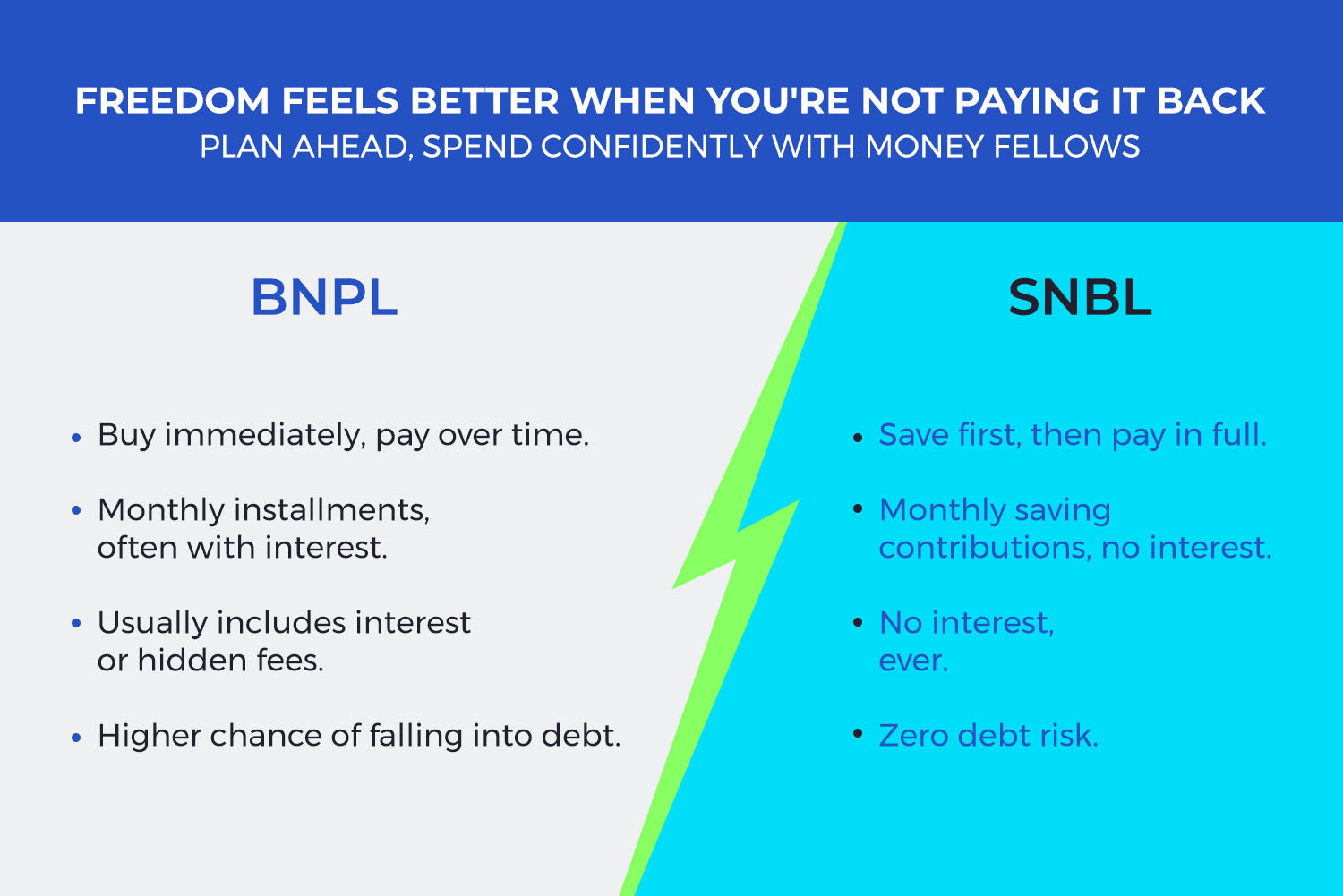
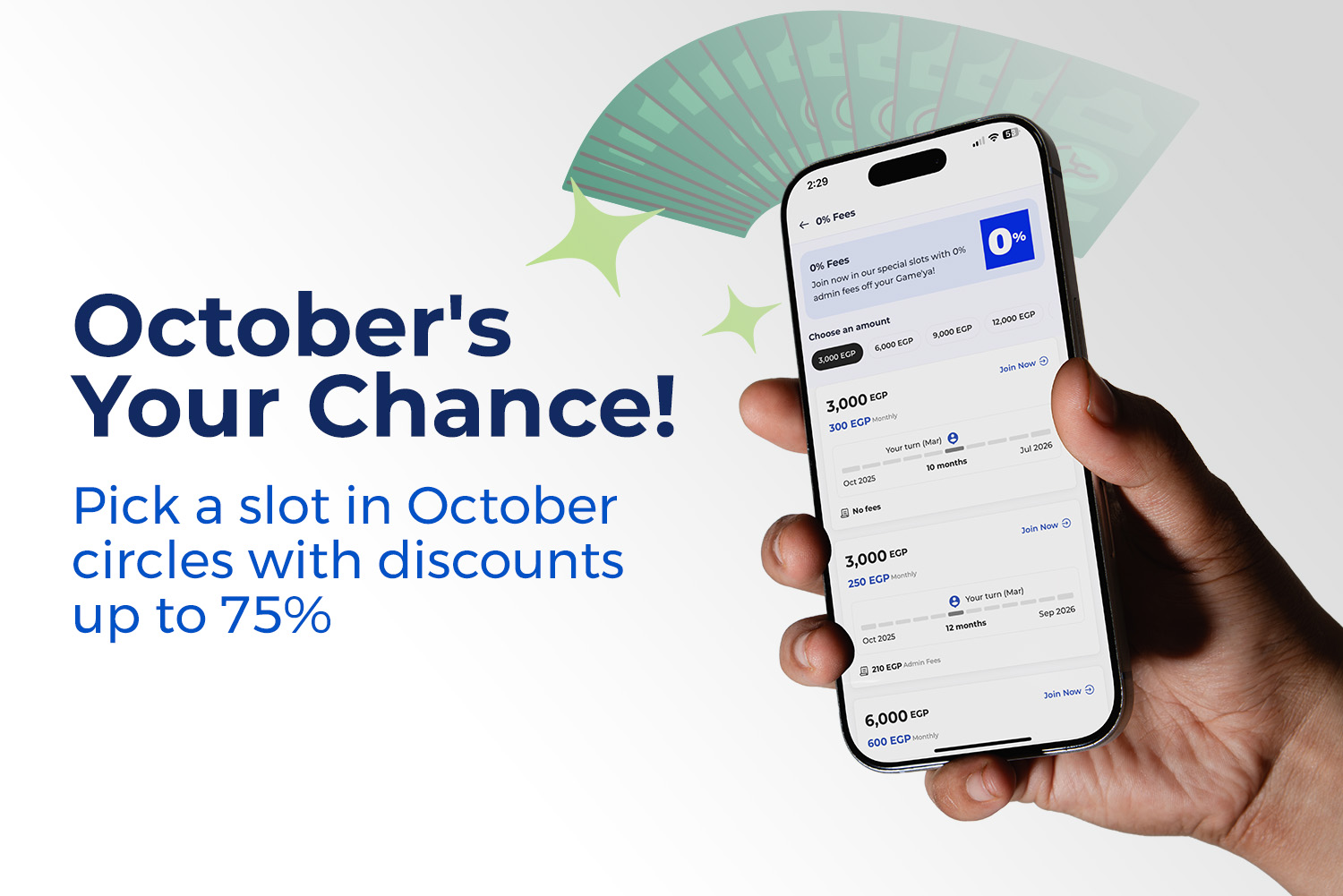
Instead of trying to save alone and break your budget repeatedly, you can join a digital savings circle (ROSCAs) for 6, 10, or 12 months.
For example: Want to save EGP 3,000 during Ramadan? Preparing for Eid expenses? Or saving for a post-Ramadan goal?
You can commit to a fixed monthly amount, with zero debt. At the end of your cycle, you receive a full lump sum in cash. This turns saving from a vague intention into a structured financial plan.
If you truly want to finish Ramadan with money saved, download the Money Fellows app and start from day one.